Skip to Content
Series
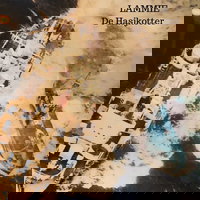
LAMMIE, De Hasjkotter

LAMMIE, De Hasjkotter

door Rik Bouman

Het staat bekend als de smokkeltocht der smokkeltochten als in maart 1974 de HD 160, beter bekend als Lammie, uitvaart richting Libanon. De meest bijzondere karakters raken bij dit avontuur betrokken. En wie zijn er nu eigenlijk al op de hoogte van deze smokkeltocht nog voordat de viskotter is uitgevaren? Bizarre omstandigheden op de heenreis en de meest krankzinnige achtervolging van de marine, douane en de rijkspolitie te water op de terugreis. En dan opeens is de Lammie verdwenen. Dit avontuur wordt gezien als het begin van de grootschalige politie-acties tegen de drugshandel.

Afleveringen

Maas Nieuws - de kracht van het verenigingsblad (met Berend Boogaerdt 't Hooft, Leon de Veld, interviewer Erik Peekel en podcastmaker Rik Bouman)

In deze vierde aflevering van ‘Boegbeelden & Bliktrekkers’ nemen we een kijkje achter de schermen bij Maas Nieuws, het verenigingsblad van Koninklijke Roei- en Zeilvereeniging De Maas dat al decennialang een vaste plek inneemt binnen de vereniging. Presentator Erik Peekel gaat in gesprek met de makers Berend Boogaerdt ’t Hooft en Leon de Veld.

We duiken in de archieven van de eerste edities en bespreken de transformatie naar het moderne blad van nu. Hoe bewaart de redactie de balans tussen roeien en zeilen? En hoe slaagt een verenigingsblad erin om al decennia volledig op advertentie-inkomsten te draaien?

In deze aflevering ontdek je: De geschiedenis van Maas Nieuws: Van handgezette teksten en fysieke knipsels tot de impact van digitale fotografie. Het maakproces: Over de stress van de deadline, het plezier van de vormgeving en de bijzondere samenwerking met de drukkerij. De iconen achter het blad: De onmisbare bijdrages van namen als Ferry Boogaerdt ’t Hooft, Meinard Sprenger en Kees van Hussen.

Een boeiende aflevering over verenigingscultuur, watersport en de verbindende kracht van gedeelde verhalen binnen De Maas.

Podcastmaker Rik Bouman

Amidst the vibrant landscape of Rotterdam, the Sociëteit of the Koninklijke Roei- en Zeilvereniging de Maas stands as a venerable institution, marking its 175th anniversary as a symbol of connection between the city and its waterways. In this discourse, I have the privilege of conversing with Berend Boogaard and Leon de Veld, the distinguished creators of the esteemed publication Maasnieuws, which serves as a vital conduit of communication for the association's members. We delve into the significance of this periodical, which, despite the advent of digital communication, continues to resonate with the members, fostering a profound sense of community and belonging. The conversation further illuminates the evolution of Maasnieuws from its humble beginnings in 1972, characterized by rudimentary black-and-white layouts, to its current iteration, wherein it embodies professionalism and aesthetic appeal through modern design practices. As we explore the intricate processes behind the creation and curation of this esteemed publication, a compelling narrative emerges, showcasing the dedication and collaborative spirit that underpin the ongoing legacy of Maasnieuws.

Set against the backdrop of the illustrious Sociëteit van de Koninklijke Roei- en Zeilvereniging de Maas in Rotterdam, a hub of maritime culture for over 175 years, this episode presents a compelling exploration of 'Maasnieuws', the association's revered newsletter, through the insights of Erik Pekel and the publication's main contributors, Berend Boogaard and Leon de Veld. The discussion begins with an overview of the newsletter's pivotal role in connecting members, emphasizing its significance as a printed medium in an era dominated by digital communication. Boogaard articulates how 'Maasnieuws' serves as a vital thread weaving the diverse narratives of the membership into a cohesive tapestry, fostering a sense of community and shared identity that transcends the mere dissemination of information. Delving deeper into the history of 'Maasnieuws', the conversation traces its origins back to 1972, when it was conceived as a means to document and celebrate the activities of the association. The speakers reflect on the evolution of the publication from its rudimentary beginnings—marked by manual typesetting and black-and-white photography—to the current sophisticated format that benefits from digital advancements, enhancing both visual appeal and accessibility. De Veld highlights the diversity of contributions from members, noting how their individual stories and experiences enrich the content, thereby reinforcing the collective spirit of the association. This collaborative endeavor not only showcases the talents of members but also strengthens the bonds that hold the community together. As the dialogue progresses, the speakers contemplate the future trajectory of 'Maasnieuws', particularly in light of emerging technologies such as artificial intelligence. They express a desire to leverage these innovations to streamline the editorial process and enhance the quality of content, while remaining true to the publication's mission of preserving the rich history and communal essence of the association. The episode concludes with a reaffirmation of the commitment to ensure that 'Maasnieuws' continues to serve as a cherished resource for its members, bridging the past and future of the rowing and sailing community, while celebrating the achievements and stories that define their shared legacy.

Takeaways: The Sociëteit van de Koninklijke Roei- en Zeilvereniging de Maas has celebrated 175 years of existence, serving as a vital connector between the city of Rotterdam and its waterways. Maasnieuws, the association's publication, acts as a significant unifying element among members, fostering communication across diverse segments of the rowing and sailing communities. The transition from print to digital media has transformed the way articles and photographs are produced, showcasing advancements in technology and the evolution of member contributions. The process of creating Maasnieuws involves rigorous deadlines and collaborative efforts from a tight-knit team, ensuring that every edition reflects the vibrancy of the membership and their activities. The historical significance of contributions made by members is evident, as many articles document the journeys and achievements of both current and former athletes within the association. Future developments may include the integration of artificial intelligence to enhance the quality and presentation of content in Maasnieuws, while maintaining its relevance to younger generations.

30 maart 2026


Wat gebeurde er bij de Olympische Spelen van 1952 in Finland bij het hockey met de strafbully?

This podcast episode delves into the historical significance of the 1952 Helsinki Olympics, particularly focusing on the sport of hockey. We explore the dynamics of the participating nations, notably India and Pakistan, which were prominent in the hockey landscape at that time, alongside the evolving roles of teams like the Netherlands and Great Britain. The discussion reveals how the tournament's structure allowed the top four teams, including these powerhouses, to bypass preliminary rounds, thus setting the stage for intense quarterfinal matchups. We meticulously recount the gripping encounters, such as the fiercely contested match between the Netherlands and Germany, highlighting the profound emotional undercurrents stemming from post-war tensions. The episode culminates in an analysis of the final matches and the legacy of this Olympic event, underscoring its lasting impact on the sport of hockey and international relations. In a meticulous exploration of the 1952 Helsinki Olympics, the speakers delve into the historical significance and evolution of field hockey, particularly as it pertains to the notable matches and teams involved. The dialogue elucidates the pre-tournament hierarchy, showcasing India, Pakistan, the Netherlands, and Great Britain as formidable contenders, while also acknowledging the fluctuating fortunes of other nations such as Germany and Belgium. A salient point of discussion is the transformation of hockey dynamics since that era, especially the impact of sponsorship through leagues like the Indian Hockey League, which has reinvigorated interest and investment in the sport within India. The speakers recount the structure of the tournament, highlighting the unique qualification process that allowed the top teams to bypass initial rounds. This structure not only emphasizes the prestige associated with these nations but also sets the stage for riveting matches that showcased exceptional talent and strategic prowess. A significant focus is placed on the quarterfinals, particularly the tense match between the Netherlands and Germany, which served as a poignant reminder of the recent historical conflicts between the nations. The narrative crescendos with the details of the Netherlands' narrow victory, painting a vivid picture of the stakes involved and the emotional weight carried by the players. This encounter is contextualized within the broader narrative of post-war recovery and reconciliation through sport, making the discussion both timely and relevant in today's sporting discourse.

Takeaways: In this episode, we meticulously examine the historical context of the 1952 Helsinki Olympic hockey tournament, emphasizing its significance. The discussion highlights the evolution of hockey teams, particularly India and Pakistan, showcasing their fluctuating performances over the decades. We delve into the unique tournament structure of 1952, which allowed certain teams to bypass preliminary rounds, altering competitive dynamics. The rivalry between the Netherlands and Germany is explored, reflecting on the socio-political implications following World War II. We analyze the strategies employed by teams in crucial matches, focusing on defensive and offensive tactics that shaped the outcomes. The episode concludes with a reflection on the legacy of the 1952 tournament and its lasting impact on international hockey.

29 maart 2026


De glorieuze historie van de Amerikaanse boksploeg tijdens de Olympische Spelen van Montreal 1976

ThispodcastdelvesintothenotableachievementsoftheAmericanboxingteamduringthe1976MontrealOlympics,withparticularemphasisontheextraordinaryjourneyofHowardDavisJr.Davis,who,despitethepersonaltragedyoflosinghismothershortlybeforethecompetition,triumphedtosecureagoldmedal,fulfillinghislatemother'swish.ThediscussionfurtherextendstothebroadercontextoftheAmericanboxingteam'ssuccess,highlightingtheunprecedentedaccomplishmentofwinningfivegoldmedals,onesilver,andonebronze,afeatthatunderscoredthenation’sprowessinthesport.Additionally,theepisodereflectsonthelegaciesofrenownedboxerssuchasSugarRayLeonardandtheSpinksbrothers,whoemergedfromthisillustriousOlympiccohort.Throughthisexploration,wegaininsightintotheprofoundinfluenceofpersonalmotivationsandhistoricalsignificancewithintherealmofOlympicboxing.ThediscussionnavigatestheillustriousnarrativesurroundingtheAmericanboxingteamduringthe1976MontrealOlympics,highlightingthepoignantjourneyofHowardDavisJr.,whoemergedvictoriousamidstpersonaltragedy.Davis,whohadlosthismothermeredaysbeforethecommencementofthegames,foundprofoundmotivationinherdyingwishforhimtosecureagoldmedal.ThisemotionalbackdropnotonlyimbuedhisOlympicjourneywithasenseofpurposebutalsoilluminatedthestarkcontrastbetweenhisaspirationsandthoseofcontemporaries,suchasCassiusClay,whohadpreviouslydiscardedhisownmedalinasymbolicactofprotest.TheepisodedelvesintothesignificanceofDavis'sdecisiontoburyhismedal,revealingdeeperthemesofidentity,legacy,andthepursuitofgreatnessbeyondmereaccolades.WeexplorethemultitudeofmedalswonbytheAmericanboxingcontingent,withDavisreceivingaccoladesforbothhischampionshiptitleandstylisticprowess,underscoringtheexceptionalcaliberofathletesrepresentingthenationduringthishistoricevent.Furthermore,wereflectonthecamaraderieandcompetitivespiritthatcharacterizedtheAmericanboxingteam,whosecollectivetriumphsresonatedbeyondthering,exemplifyingtheenduringlegacyofOlympicsport.

Takeaways: IndezeafleveringwordtdeopmerkelijkegeschiedenisvandeAmerikaanseboksploegtijdensdeOlympischeSpeleninMontrealin1976uitvoerigbelicht. DeafleveringwerptlichtopdeemotionelereisvanHowardDavisJr.,diezijngoudenmedailleopeenindringendemanierverliest. EenfascinerendaspectvandeafleveringisdevergelijkingtussenHowardDavisJr.enCassiusClay,enhununiekemotivatiesindeboksring. DeafleveringbenadrukthetonmiskenbaresuccesvandeAmerikaanseboksploeg,dietijdensdeOlympischeSpeleneenongekendaantalmedaillesveroverde. Welerendatnietalleendeoverwinningtelt,maarookdepersoonlijkeverhalenachterdemedailles,zoalsdievanLeonenMichaelSpinks. DeafleveringsluitafmeteenvooruitblikoptoekomstigediscussiesoverdeboksportinNederlandendeimpactdaarvanopdeOlympischeprestaties.

Companiesmentionedinthisepisode: Montreal OhioRiver JeffersonCounty CassiusClay HowardDavis DonKing MohammedAli KenNorton SugarRayLeonard TeofilioStevenson FidelCastro

22 maart 2026


Zola Budd en Mary Decker op de 3.000 meter, Blootsvoets tegen Nike tijdens de Spelen van 1984

The focal point of our discourse today is the 1984 Los Angeles Olympic Games, a momentous occasion in which significant narratives unfolded, particularly surrounding the renowned figure of Zola Budd. This episode meticulously explores the complexities of Budd's participation, as she transitioned from representing South Africa to competing under the British flag due to the geopolitical constraints of apartheid. We delve into the dramatic 3000-meter final, where Budd faced off against American champion Mary Dekker, an event marked by an unexpected collision that irrevocably altered the trajectory of both athletes' Olympic aspirations. Our examination extends to the profound implications of this race, not merely as a sporting event but as a reflection of the intricate intersections between nationality, identity, and competitive integrity. As we recount these pivotal moments, we endeavor to illuminate the multifaceted narratives that characterized the 1984 Olympics, inviting listeners to reflect on the enduring legacies of these athletes. The podcast initiates a discussion regarding the 1984 Los Angeles Olympics, a pivotal event marked by a myriad of stories, particularly the narrative arc of Zola Budd, a runner who, due to the apartheid regime in South Africa, was unable to compete for her home country. The episode meticulously details how Budd's acquisition of British nationality, expedited through media influence, facilitated her participation under a different flag. This scenario inevitably leads to a discourse on the implications of national identity in athletics and the ethical considerations of representing a nation contrary to one's origins. In the latter portions of the episode, the discussion reflects on the long-term implications of that race on both athletes’ lives, illustrating how a singular moment can reverberate through time, influencing public perception and personal identity. The hosts draw parallels between Budd and Decker's experiences, examining how they navigated the aftermath of the race and the evolving narrative surrounding their careers. This comprehensive exploration serves to underscore the intricate relationship between sports and societal issues, offering listeners a profound understanding of the lasting impact of the 1984 Olympics.

Takeaways: In this episode, we extensively discussed the ramifications of the 1984 Olympic Games held in Los Angeles, emphasizing its historical significance. The complex narrative surrounding the athlete Zola Budd was examined, particularly her controversial nationality switch prior to the Games. A pivotal moment during the women's 3000 meters race was analyzed, highlighting the unfortunate incident involving Zola Budd and Mary Dekker. We explored the impact of commercial interests in sports, particularly regarding footwear brands like Nike and Adidas during the 1984 Olympics. The aftermath of the race incident led to prolonged discussions about accountability and perception within the sporting community. Zola Budd's athletic legacy was scrutinized, revealing her continued involvement in athletics despite not securing an Olympic medal.

Companies mentioned in this episode: Nike Adidas Coca-Cola Daily News

16 maart 2026


Jonge offshore zeilers op het hoogste niveau. (met Saar van Bemmel, Joost Dragt, interviewer Erik Peekel en podcastmaker Rik Bouman)

In deze derde aflevering van ‘Boegbeelden & Bliktrekkers’ staat het Rotterdam Offshore Sailing Team centraal: een jong, ambitieus offshore zeilteam dat in 2025 internationaal doorbrak met winst in de iconische Rolex Fastnet Race. Presentator Erik Peekel gaat in gesprek met teamleden Saar van Bemmel en Joost Dragt.

In deze aflevering ontdek je: De essentie van ROST: Hoe een opleidings- en prestatieteam jonge zeilers klaarstoomt voor het zware offshore werk. De strijd om de Admiral’s Cup: Een blik achter de schermen bij het officieuze wereldkampioenschap offshore zeilen en de sfeer in het iconische zeilersdorp Cowes. Triomf in de Fastnet Race: De beleving van een start tussen honderden boten en het magische moment van de overwinning in Cherbourg.

Een inspirerende aflevering over offshore zeilen, teamwork, jonge topsporters, de Fastnet Race en de verbindende rol van De Maas op het hoogste internationale zeilniveau.

Podcastmaker Rik Bouman

The primary focus of this podcast episode is an in-depth exploration of the Rotterdam Offshore Sailing Team (ROST), which has made significant strides in the world of competitive sailing over the course of its nine-year existence. In this discourse, I engage with key team members Saar van Bemmel and Joost Dracht, who elucidate the evolution of ROST from an initiative aimed at nurturing young sailors to a formidable force within the realm of offshore competitions. They articulate the rigorous training regimen that encompasses not only the mastery of sailing techniques but also the cultivation of teamwork and collaboration among crew members. Furthermore, the conversation delves into the various roles aboard the vessel, particularly emphasizing the importance of effective communication and trust, which are paramount during high-stakes races such as the Admiral's Cup and the illustrious Fastnet Race. Ultimately, this episode offers a comprehensive insight into the dedication and camaraderie that define ROST, as well as the pivotal influence of their coach, Gert-Jan Poortman, in shaping the team's identity and competitive spirit.

Situated in the heart of Rotterdam, the Royal Rowing and Sailing Society de Maas stands as a historical emblem that interlinks the urban landscape with the aquatic realms it embraces. Over the course of 175 years, this prestigious institution has become synonymous with maritime excellence, serving as a pivotal gathering point for both iconic figures and promising talents alike. In this enlightening discourse, I engage with Saar van Bemmel and Joost Dracht from the Rotterdam Offshore Sailing Team (ROST), exploring the inception and evolution of a squad that aims to elevate youth sailors from small dinghies to formidable ocean-going vessels. Joost elucidates the team's genesis, which arose nearly a decade ago with a clear vision: to provide aspiring young sailors with a pathway towards competitive sailing on larger boats, thereby fostering a new generation of seafarers ready to take on the challenges of the open sea. The conversation delves into the unique training methodologies employed by ROST, which amalgamates both educational and performance-oriented strategies. Each year of the program is distinctly structured to cultivate the sailors’ skills: the initial phase focuses on familiarization with the boat and team dynamics, while the subsequent years emphasize competitive sailing and performance optimization. This progressive trajectory culminates in participation in elite competitions, such as the Atmos Cup, where the sailors are afforded the opportunity to test their mettle against the world's best. The team’s approach, characterized by a blend of amateur spirit and professional ambition, underscores their commitment to excellence while maintaining a supportive and constructive training environment. As we navigate through topics of preparation, teamwork, and the psychological demands of offshore racing, it becomes evident that the ethos of ROST is deeply rooted in collaboration and mutual respect. The team members articulate how their experiences have forged not only their sailing prowess but also a profound sense of camaraderie that enhances their collective performance on the water. The episode culminates in a reflection on the significance of representation and the pride that comes with sailing under the banner of the Royal Society, as the sailors express their aspirations for future generations to continue the legacy of maritime excellence established by their predecessors. In this episode, the intricate tapestry of offshore sailing is unraveled as we engage with the dynamic experiences of the Rotterdam Offshore Sailing Team. The conversation offers a profound exploration into the world of competitive sailing, revealing the rigorous training, strategic planning, and the emotional resilience required to succeed in high-stakes offshore competitions. Central to our discussion is the Admiral's Cup, an event of considerable prestige that epitomizes the pinnacle of sailing prowess. Saar and Joost recount their participation in this formidable competition, highlighting the intense preparation that preceded the event and the exhilarating atmosphere that enveloped them as they faced seasoned professionals from around the globe. Joost shares insights into the multifaceted nature of the competition, which encompasses various racing formats, thereby testing sailors on numerous fronts. The narrative conveys the palpable excitement of competing against the best, juxtaposed with the inherent challenges posed by unpredictable weather and the complex dynamics of teamwork aboard the vessel. We delve into the team's strategic preparations, which include physical training regimens and meticulous planning for each role aboard, ensuring that every member contributes effectively to the collective goal of achieving victory. The discussion further elucidates the significance of mental fortitude in navigating the psychological stresses of long-distance races, where every decision and maneuver can have far-reaching consequences. Ultimately, this episode serves as a testament to the dedication and passion that underpin the world of offshore sailing. It encapsulates the transformative journey of young sailors as they strive for excellence while fostering a deep-rooted sense of community and shared purpose. The reflections on their experiences not only illuminate the rigorous demands of the sport but also celebrate the joy and fulfillment that comes from pursuing one’s passion on the open waters. Through this dialogue, we invite listeners to appreciate the rich narrative of competitive sailing, as we explore the intersection of ambition, teamwork, and the relentless pursuit of excellence in the maritime domain.

Takeaways: The Rotterdam Offshore Sailing Team, established nine years ago, aims to elevate young sailors to higher competitive levels within the sailing community. The team operates with a unique blend of amateurism and professionalism, emphasizing performance while fostering a supportive environment among its members. A rigorous three-year training program is in place, focusing on skills development, teamwork, and the physical demands of offshore sailing competitions. The recent participation in the prestigious Admiral's Cup highlighted the team's growth and adaptability, showcasing their ability to compete against seasoned professionals. The importance of teamwork and communication was emphasized, especially during high-pressure situations like the Fastnet race, where trust among crew members is paramount. Gert-Jan Poortman’s coaching has significantly shaped the team’s approach, instilling a sense of responsibility and encouraging independent problem-solving among sailors.

Companies mentioned in this episode: Koninklijke Roei- en Zeilvereniging de Maas Rotterdam Offshore Sailing Team ROST Atmos Cup Admiral's Cup RORC Volvo Ocean Race Fatship
16 maart 2026


Wat maakte de gouden zwemmedaille van de Nederlandse Nida Senff in 1936 zo bijzonder?

The focal point of our discussion centers on the remarkable events surrounding the women's 100-meter backstroke at the 1936 Berlin Olympics, a competition that garnered substantial attention for its myriad circumstances. We delve into the extraordinary victory of Dutch swimmer Nida Senf, who, despite an unforeseen misstep during the race, ultimately secured the gold medal, while her compatriot Riemars ten Broek claimed silver. This episode elucidates the broader implications of the exclusion of American swimmer Eleanor Holm, whose controversial behavior and subsequent disqualification significantly altered the competitive landscape. As we dissect the nuances of this pivotal moment in Olympic history, we reflect on the profound impact of these athletes' experiences on the realm of competitive swimming and sportsmanship. Join us as we traverse the complexities of this storied event, highlighting the intersection of personal triumph and institutional challenges within the annals of athletic achievement. The episode is a profound examination of the women’s 100-meter backstroke at the 1936 Berlin Olympics, a race that transcends mere athletic competition to reflect the complexities of its historical context. The focus is primarily on the remarkable performances of Nida Senf and Riemars ten Broek, who emerged victorious, securing gold and silver medals respectively. However, the episode intricately details the circumstances surrounding these outcomes, particularly the significant absence of Eleanor Holm, whose exclusion from the games highlights the intersection of personal conflicts and broader political tensions. Additionally, the episode thoughtfully explores the repercussions of Holm's disqualification, which stemmed from her outspoken critiques of the American officials during the journey to Berlin. Holm's abrasive personality and her contentious relationship with the team hierarchy reflect the challenges faced by female athletes of that era. The episode not only chronicles the thrilling events of the race but also presents a nuanced commentary on the societal and political dynamics that influenced the experiences of the athletes, thereby offering a rich narrative that resonates beyond the realm of sports. The narrative intricately weaves together the events leading to Senf’s unexpected yet triumphant victory. Initially, her performance was exceptional, as she recorded the fastest time in the heats. Nonetheless, a critical error during the final—missing a turn—threatened her chances. The depth of her character is revealed through her decision to rectify this mistake by returning to complete the turn, showcasing her strategic mindset and resilience. The subsequent surge that led her to victory against formidable competitors is a testament to her remarkable capabilities and fortitude in the face of adversity.

Takeaways: The podcast meticulously examines the 1936 Berlin Olympics, focusing on the women's 100-meter backstroke event, which was highly controversial. It highlights the unexpected triumph of Nida Senf, who secured gold amidst a tumultuous Olympic atmosphere, including disqualification events. The episode further discusses the exclusion of Eleanor Holm, a prominent swimmer, which significantly altered the competition landscape for the event. Listeners are introduced to the remarkable circumstances surrounding the competition, including Nida Senf's unique strategy during the race's critical moments. The narrative delves into the historical context of the Olympics, revealing the political tensions and controversies of the era, particularly those affecting female athletes. Additionally, we learn about the aftermath of the event and how it influenced the trajectories of the athletes involved, including their public personas.

Companies mentioned in this episode: ADZ Avery Brundage Eleanor Tom Nida Senf Riemars ten Broek Eleanor Holm Hubert Lawson Glenn Morris

9 maart 2026


Wat gebeurde er met de vier Olympische gouden medaille winnaars van de wielerploegentijdrit van 1964 in Tokyo?

The celebration of our 25th episode coincides with a significant moment in Dutch sports history, notably the triumph of the Dutch cycling team at the 1964 Tokyo Olympics. In an astonishing display of teamwork, Eef Doolman, Jan Pieterse, Gerben Karstens, and Bart Soet secured the gold medal in the grueling 100-kilometer team time trial, an achievement that remains unparalleled in Dutch cycling. This episode delves into the intricacies of that remarkable race, exploring the dynamics of the team as they overcame both physical and mental challenges. We reflect on the historic context of the Tokyo Games, where the Netherlands finished with a commendable ten medals, with the cycling team’s victory serving as a testament to their preparation and dedication. Join us as we honor these athletes and examine the legacy of their Olympic success, which continues to inspire future generations. In a momentous celebration of their 25th episode, the podcast dedicates its discourse to an exploration of the 1964 Tokyo Olympics, particularly the remarkable achievements of the Dutch cycling team. The speakers recount the exhilarating moment when the quartet of Eef Doolman, Jan Pieterse, Gerben Karstens, and Bart Soet triumphed in the 100-kilometer team time trial, securing a gold medal that would etch their names in the annals of sports history. The episode meticulously details the backdrop against which this event unfolded, including the challenges faced by the athletes and the competitive landscape of the Olympics, which saw participation from approximately 5000 athletes across 93 nations. The narrative unfolds as the speakers delve into the intricacies of the race, discussing the tactical approaches employed by the team and the pivotal decisions made by their coach, Joop Middelink. Through a blend of strategic foresight and an understanding of the athletes' capabilities, the team was able to cultivate a synergy that propelled them to victory. The speakers emphasize the significance of teamwork in a sport often dominated by individual accolades and reflect upon the psychological dynamics that influenced their performance, particularly in the face of formidable competitors. In conclusion, the episode serves as a poignant reminder of the fleeting nature of sporting glory, juxtaposing the triumph of the 1964 team against the backdrop of the modern Olympic landscape. The speakers reflect on how this victory not only galvanized a nation but also contributed to the evolving narrative of cycling as a sport, leaving an indelible mark on both the athletes and the fans. The episode encapsulates a rich historical moment while paying homage to the spirit of competition and the legacy of the athletes who exemplified excellence on that historic day in Tokyo.

Takeaways: This podcast episode commemorates the 25th episode, marking a significant milestone. The discussion revolves around the memorable Olympic Games held in Tokyo in 1964. The remarkable achievement of the Dutch cycling team winning gold in the team time trial is highlighted. The episode emphasizes the importance of teamwork and strategy in competitive cycling. Listeners learn about the individual journeys of the cyclists involved in the historic victory. The episode reflects on the sometimes tragic fate of the athletes following their Olympic success.

Companies mentioned in this episode: Eef Doolman Jan Pieterse Gerben Karstens Bart Soet Joop Middelink Anton Geesink Elio Rimedio

2 maart 2026


Van de Spelen naar Masters goud (met Jan Bruijn, Frank Verhulst, interviewer Erik Peekel en podcastmaker Rik Bouman)

In deze tweede aflevering van ‘Boegbeelden & Bliktrekkers’ staat een uitzonderlijk sportverhaal centraal: Wat drijft twee roeiers om, decennia na hun studietijd, nog steeds op wereldniveau de strijd aan te gaan? Presentator Erik Peekel gaat in gesprek met Jan Bruijn en Frank Verhulst over hun ijzersterke vriendschap en hun internationale successen in het Masters-roeien.

Van studentenroeien bij Skadi en de Olympische Spelen van München 1972 tot wereldgoud op de World Rowing Masters Regatta: Jan en Frank nemen je mee langs hoogtepunten, tegenslagen en de herontdekking van hun passie voor roeien, decennia na hun eerste gezamenlijke meters op het water.

In deze aflevering ontdek je: Het geheim van de World Rowing Masters: Hoe Jan en Frank met overmacht goud wonnen in Spanje en wat de sfeer op dit ‘WK voor veteranen’ zo uniek maakt. De kracht van vriendschap: Hoe ze na een pauze van 40 jaar de draad weer oppakten en direct weer de snelsten bleken te zijn. Trainen op de Willem-Alexander Baan: De rust, de focus en het belang van een strak trainingsschema, zelfs als master-roeier.

Een inspirerende aflevering over Masters roeien, Olympische ervaringen, vriendschap, ouder worden in de sport en de verbindende kracht van De Maas.

Podcastmaker Rik Bouman

The episode is centered around a profound exploration of enduring friendship within the context of competitive rowing, as exemplified by the illustrious journey of Jan Bruin and Frank Verhulst. As they recount their remarkable triumph at the World Rowing Masters Regatta in September 2025, where they secured victory in the double scull category, they delve into the essence of camaraderie that underpins their sporting endeavors. Through their narratives, we gain insight into the exhilarating yet demanding atmosphere of international rowing competitions, revealing both the joy and the profound challenges they face. The dialogue further elucidates the evolution of their passion for rowing, from their formative years to their current pursuits, highlighting how this shared commitment has fostered a bond akin to brotherhood. Ultimately, the episode serves as a testament to the transformative power of sport in cultivating meaningful relationships and personal fulfillment.

, situated in the heart of Rotterdam, the prestigious Sociëteit of the Royal Rowing and Sailing Association de Maas stands as a testament to the city's rich maritime heritage. For 175 years, this institution has served as a nexus for rowing enthusiasts, where champions and aspirants alike converge to celebrate their shared passion. In this episode, I, Erik Pekel, engage in a profound dialogue with esteemed rowers Jan Bruin and Frank Verhulst, delving into their enduring friendship and their remarkable achievements on the international rowing stage. The conversation begins with a recollection of their triumph at the World Rowing Masters Regatta in September 2025, where they secured victory in the double sculls category. Their camaraderie shines through as they recount the exhilarating atmosphere of competitive rowing, punctuated by moments of tension and joy. Frank shares his reflections on the unique ambiance of these events, emphasizing the blend of anticipation and jubilation that permeates the air. The duo describes how they navigate the rigors of training while fostering a spirit of enjoyment, often finding solace in the company of fellow rowers, even amidst the challenges of competition. As the dialogue unfolds, we explore the intricacies of their training regimen, characterized by a commitment to excellence and a shared determination to succeed. Jan's strategic insights into pacing during races reveal the depth of their collaboration, while Frank's anecdotes about their shared experiences on the water highlight the profound bond that has developed over years of companionship. The episode culminates in a heartfelt discussion about the essence of rowing, the joys of rekindling their passion after years of hiatus, and the indelible impact of their friendship on their athletic pursuits. Through their stories, listeners are invited to appreciate the beauty of rowing as both a sport and a lifelong journey of connection and growth.

Takeaways: The Sociëteit van de Koninklijke Roei- en Zijlvereniging de Maas has served as an iconic institution in Rotterdam for 175 years, symbolizing the connection between the city and water. Engagement in rowing competitions fosters camaraderie and shared experiences, enhancing the enjoyment of the sport beyond mere competition. The profound impact of rigorous training and substantial preparation for international rowing events cannot be overstated, as it significantly influences performance outcomes. The transition from student rowing to veteran competitions reflects not only a personal journey but also a sustained passion for the sport over decades. In the dynamic realm of competitive rowing, the psychological aspects of motivation and perseverance play crucial roles in the athletes' experiences and successes. The camaraderie cultivated through shared experiences in rowing is integral to maintaining lasting friendships and fostering a sense of community among athletes.

2 maart 2026


Ongekend succes voor Nederland bij de Olympische Winterspelen 2026!

The primary focus of our discussion revolves around the recent performances of various athletes during the Winter Olympics in Milan, specifically highlighting the notable victories of American teams in the ice hockey finals, both men's and women's, against Canada. We delve into the exhilarating aspects of these matches, emphasizing the remarkable format of overtime play that enhances the excitement and competitiveness of the sport. Moreover, we shift our attention to the achievements of Dutch short track skaters, particularly the impressive medal haul attributed to athletes such as Jens van 't Wout and Xandra Velzenboer, who both showcased exceptional skill and determination. Our discourse also examines the implications of strategic decisions made during races, such as the daring choice to pull a goalie in crucial moments, and reflects on the collective spirit exhibited by the Dutch team throughout the games. As we traverse through these narratives, we aim to encapsulate the essence of perseverance and excellence that characterized this extraordinary sporting event. The thirty-fourth episode of our podcast delves into the recent Olympic Games held in Milan, specifically focusing on the exhilarating ice hockey finals. The dramatic clash between the United States and Canada unfolded with a contentious overtime period, culminating in a controversial victory for the U.S. team. We engage in a thorough analysis of the overtime format, which employs a golden goal rule, thereby intensifying the thrill of the game. The discussion also highlights the strategic implications of this format, particularly how it contrasts with traditional approaches in other sports, such as football, where extensions can often lead to tedious stalemates. The episode further explores the broader implications of this game for the hockey community and its potential influence on the structure of future international competitions. We also reflect on the overarching themes of competition, teamwork, and the emotional stakes involved in high-level sports, providing listeners with a comprehensive understanding of not only the game itself but also its significance within the Olympic context. In our latest episode, we turn our attention to the remarkable achievements of the Dutch short track team at the Winter Olympics. We celebrate the outstanding performances of athletes such as Jens van 't Wout and Sandra Velsenboer, who have etched their names in Olympic history. The conversation centers around the relay events, where the Dutch men's team secured their first Olympic gold, a feat long awaited by fans and athletes alike. We dissect the dynamics of the races, discussing the strategies employed by the athletes and the pivotal moments that led to their victories. Additionally, we scrutinize the officiating and rules surrounding penalties in short track, suggesting areas for improvement that could enhance the sport's integrity and excitement. Through this narrative, we encapsulate the essence of Olympic spirit, perseverance, and the relentless pursuit of excellence that defines these athletes' journeys. Moreover, our discussion extends to the broader implications of these Olympic competitions on the athletes' careers and the future of their respective sports. We highlight the role of teamwork in achieving success, particularly within the context of mixed-gender teams, and how collaborative training methods have fostered a culture of mutual support among athletes. This episode serves not only as a celebration of individual and team accomplishments but also as a critical examination of the systems in place that govern competitive sports. We conclude with reflections on the impact of these games on national pride and identity, urging listeners to appreciate the intricate tapestry of emotions and narratives woven into the Olympic experience.

Takeaways: The recent Olympic Games in Milan showcased extraordinary performances, particularly in ice hockey where the USA triumphed over Canada in a thrilling overtime match. The dynamics of ice hockey's golden goal rule significantly enhance the excitement of the game, creating opportunities for rapid scoring and strategic play. The short track speed skating achievements of Dutch athletes, particularly Jens van 't Wout and Sandra Velsenboer, exemplify the nation's prowess in winter sports. The remarkable relay victory by the Dutch men's team at the Olympics marks a historic achievement, highlighting the importance of teamwork and preparation in competitive sports. The discussion on the impact of strategic decisions in sports, such as removing a goalkeeper in ice hockey, emphasizes the fine line between success and failure in high-stakes situations. Emphasizing the psychological aspects of competition, the athletes' experiences at the Olympics reveal the intense pressure and motivation that accompany elite performances in winter sports.

Companies mentioned in this episode: USA Canada Nederland Jens van het Wout Sandra Velsenboer Xander Velsenboer Isaac de Laat Antoinette Rijpma de Jong Jutta Leerdam Femke Kok Jim Bergsma Nieke Media Klebo Duitsland Zwitserland Boudewijn Erben Melle van het Wout

23 februari 2026


Wat gebeurde er allemaal bij de de eerste vier Olympische Winterspelen?

Aflevering 23 met de eerste vier Olympische Winterspelen!

The primary focus of this podcast episode is the inaugural Olympic Winter Games held in 1924 in Chamonix, France, which emerged as a significant milestone in the history of winter sports. Initially conceived as a subsidiary program to the Summer Olympics in Paris, the games garnered such acclaim that they were retroactively labeled as the first Olympic Winter Games after the Norwegian objection was withdrawn. The episode delves into the notable achievements of athletes, particularly highlighting Norway's dominance in skiing and skating, while also recognizing the participation of other nations and the unique circumstances surrounding the event. We examine the statistics of participation, including the stark gender disparity among athletes, and reflect upon the evolving nature of the Winter Olympics as subsequent events unfolded. Furthermore, we discuss the broader implications of these games in the context of international sports and their legacy, setting the stage for future competitions. The exploration of the inaugural Olympic Winter Games, which took place in Chamonix in 1924, unveils a historical tapestry woven with both triumph and contention. Initially conceived as a supplementary event to the Summer Games in Paris, the Winter Games garnered such remarkable success that they were retroactively declared an official Olympic event, contingent upon the withdrawal of objections from Norway, which had its own winter sports competition. This episode meticulously details the geopolitical landscape of the time, highlighting how the absence of notable nations such as Russia, Germany, and the Netherlands shaped the competitive field. The narrative further delves into the performances, with Norway emerging as the dominant force, claiming the majority of the medals, while the dynamics of participation and competition are examined through the lens of the limited number of athletes and nations present. This foundational moment sets a precedent for future Winter Games, illustrating the evolution of winter sports on a global stage. In a reflective analysis of the first Olympic Winter Games, the conversation meanders through the complexities of sportsmanship and national pride, emphasizing the significance of Chamonix as a pivotal location in Olympic history. The episode elucidates the cultural ambiance of Chamonix, described as a fashionable winter resort, juxtaposed against the backdrop of sporting excellence and national representation. The dialogue also touches upon the peculiarities of the early Winter Games, such as the introduction of sports like figure skating and ice hockey, which had previously been included in the Summer Games. The intriguing case of Kylis Krevstem, who uniquely defended his title from the Summer Olympics, serves as a focal point of discussion, highlighting the interconnectedness of winter and summer sports in this nascent period of Olympic competition. Through a serious and analytical lens, this summary encapsulates the essence of the episode, articulating the multifaceted themes of competition, culture, and the socio-political undercurrents of the time. The examination of the evolution of the Olympic Winter Games from their inception in 1924 to subsequent iterations reveals a narrative rich in historical significance and transformation. The podcast delves into the intricacies of the Chamonix Games, the subsequent Winter Games in St. Moritz, and the implications of the Lake Placid Games, all while emphasizing the growth of participation and the increasing prominence of female athletes. Notably, the transition from a predominantly male-dominated field to the inclusion of women in competitive events is articulated with a focus on the societal shifts that accompanied these changes. The episode critically evaluates the implications of the American dominance in Lake Placid, where the competitive format sparked controversies regarding fairness and adherence to Olympic principles. The episode culminates in a discussion of the political ramifications of the Games, particularly during the Nazi regime, thus providing a comprehensive understanding of the evolution of winter sports within the broader context of Olympic history.

Takeaways: The inaugural Olympic Winter Games transpired in Chamonix in the year 1924, marking a significant historical milestone. Initially conceived as a secondary event to the Summer Olympics in Paris, the Winter Games gained independent acclaim. Norway, a dominant force in skiing, emerged as the preeminent nation at the Chamonix Winter Games, claiming numerous medals. The participation of women in winter sports was notably limited in the early years, with only thirteen female athletes competing in 1924. Eddie Egan made history by winning gold in both boxing and the four-man bobsleigh, showcasing remarkable athletic versatility. The Lake Placid Games prompted controversy due to the American organizers' unconventional competition rules that led to disputes among competitors.

16 februari 2026


175 jaar historie van De Maas (met Evert Jan van den Berg, Siep Wijsenbeek, interviewer Erik Peekel en Podcastmaker Rik Bouman)

De nieuwe podcastserie ‘Boegbeelden & Bliktrekkers’

Aflevering 1: 175 jaar historie van De Maas

(met Evert Jan van den Berg, Siep Wijsenbeek, interviewer Erik Peekel en Podcastmaker Rik Bouman)

In deze eerste aflevering van ‘Boegbeelden & Bliktrekkers’ duiken we in de rijke geschiedenis van de Koninklijke Roei- en Zeilvereeniging De Maas, één van de oudste en meest iconische watersportverenigingen van Nederland.

Presentator Erik Peekel gaat in gesprek met Evert Jan van den Berg en Siep Wijsenbeek. Podcastmaker Rik Bouman zorgt voor de juiste uitwerking. Hoe zag Rotterdam eruit in 1851 en wat was de cruciale rol van Prins Hendrik de Zeevaarder bij de oprichting

In deze aflevering ontdek je: De omzwervingen naar Katendrecht: Hoe de vereniging op Katendrecht belandde en hoe men daar vroeger vanuit de stad naartoe reisde. De geboorte van een familievereniging: De roemruchte afsplitsing (en hereniging) van de 'Trekvogels' en de herkomst van de beroemde rode broek. Veerkracht in oorlogstijd: De impact van de Tweede Wereldoorlog, het verzetswerk van voorzitter Willem Ruis en de wederopbouw na de bevrijding.

Of je nu een gepassioneerd zeiler bent, een fanatieke roeier of een liefhebber van de Rotterdamse historie; dit gesprek werpt een uniek licht op het DNA van 'De Maas'.

The podcast delves into the illustrious history of the Royal Rowing and Sailing Society de Maas, a venerable institution that has fostered connections between the city of Rotterdam and its waterways for an impressive 175 years. I engage in a comprehensive dialogue with esteemed guests Evert-Jan van den Berg and Siep Wijsenbeek, who elucidate the origins of the society and its architectural marvel. As we traverse the narrative of the society's evolution, we uncover its transformation from a modest rowing club into a social nexus for both rowing enthusiasts and the wider community. The discussion further illuminates pivotal moments in the society's timeline, including its adaptation during historical upheavals and its role in cultivating a familial atmosphere among its members. Ultimately, we reflect on the enduring significance of the society, underscoring the water as a persistent element that binds generations of members together in their shared passion for maritime pursuits.

An exploration of the Sociëteit van de Koninklijke Roei en Zeilvereniging de Maas, situated in the picturesque heart of Rotterdam, reveals a storied legacy entwined with the maritime history of the city. Established 175 years ago, this esteemed institution stands not merely as a club for rowing and sailing but as a cultural nexus where prominent figures converge, fostering both athletic and social endeavors. The episode features an enlightening dialogue between Erik Pekel and his guests, Evert-Jan van den Berg and Siep Wijsenbeek, as they delve into the origins and evolution of the association, illuminating the architectural significance of its clubhouse, designed by the renowned architect Jürgen Stihl. The discussion traverses the transition from modest beginnings to the establishment of a prominent societal fixture, emphasizing the dual role of the building as a venue for sporting excellence and a social gathering place for the community. The conversation also encapsulates the architectural nuances of the clubhouse, highlighting its Art Deco influences and the striking green roof, a unique feature that enhances its visibility from the water. The guests elucidate the rich tapestry of events that have unfolded within these walls, where rowing competitions and social gatherings have historically intertwined, creating a vibrant atmosphere reflective of Rotterdam's maritime culture. The sociëteit’s transformation throughout the decades is a testament to its adaptability and resilience, mirroring the city’s own evolution alongside its waterways. In recounting the sociëteit's illustrious past, the episode invites listeners to appreciate the significance of this institution in the context of Rotterdam's development. With anecdotes that span from the inaugural rowing competitions to the impact of historical events, the narrative weaves together the personal stories of individuals whose lives have been enriched by their connection to the Maas, culminating in a profound understanding of the association's enduring legacy and its pivotal role in fostering community ties around a shared love of water sports.

Takeaways: The Royal Rowing and Sailing Society de Maas has been a cultural icon in Rotterdam for 175 years, symbolizing the connection between the city and its waterways. The architectural significance of the society's building reflects the Art Deco style and serves as a landmark since its establishment in 1909. Historical narratives discussed in the podcast reveal the society's evolution from a club for rowing enthusiasts into a social hub for both rowers and non-rowers alike. The intricate history of the Maas includes notable figures such as Prins Hendrik de Zeevaarder, whose contributions to maritime activities remain significant in the context of Dutch watersports. The societal transformations observed during the 20th century reflect broader changes in Rotterdam, particularly in the aftermath of the World Wars, highlighting the resilience of community ties. The podcast illustrates the integration of technology within the society, such as the implementation of QR codes that provide informative narratives about historical artifacts displayed within the building.

Companies mentioned in this episode: Koninklijke Roei en Zeilvereniging de Maas Amicitia Koninklijke Nederlandse Jachtclub Museum Volkenkunde Royal Antwerpen Rijksmuseum Elise Mathilde D.G. van Beuningen ANHC

16 februari 2026


TRAILER: BOEGBEELDEN & BLIKTREKKERS - 175 jaar KR&ZV De Maas

U kunt nu al luisteren naar de trailer van de geweldige nieuwe podcastserie: BOEGBEELDEN & BLIKTREKKERS - 175 jaar KR & ZV 'De Maas'

 Vanaf 17 februari kunt u luisteren naar de eerste aflevering van deze serie van acht! De omzwervingen naar Katendrecht: Hoe de vereniging op Katendrecht belandde en hoe men daar vroeger vanuit de stad naartoe reisde. De geboorte van een familievereniging: De roemruchte afsplitsing (en hereniging) van de 'Trekvogels' en de herkomst van de beroemde rode broek. Veerkracht in oorlogstijd: De impact van de Tweede Wereldoorlog, het verzetswerk van voorzitter Willem Ruis en de wederopbouw na de bevrijding. Het geheim van de World Rowing Masters: Hoe Jan en Frank met overmacht goud wonnen in Spanje en wat de sfeer op dit ‘WK voor veteranen’ zo uniek maakt. De kracht van vriendschap: Hoe ze na een pauze van 40 jaar de draad weer oppakten en direct weer de snelsten bleken te zijn. Trainen op de Willem-Alexander Baan: De rust, de focus en het belang van een strak trainingsschema, zelfs als master-roeier. De essentie van ROST: Hoe een opleidings- en prestatieteam jonge zeilers klaarstoomt voor het zware offshore werk. De strijd om de Admiral’s Cup: Een blik achter de schermen bij het officieuze wereldkampioenschap offshore zeilen en de sfeer in het iconische zeilersdorp Cowes. Triomf in de Fastnet Race: De beleving van een start tussen honderden boten en het magische moment van de overwinning in Cherbourg. De geschiedenis van Maas Nieuws: Van handgezette teksten en fysieke knipsels tot de impact van digitale fotografie. Het maakproces: Over de stress van de deadline, het plezier van de vormgeving en de bijzondere samenwerking met de drukkerij. De iconen achter het blad: De onmisbare bijdrages van namen als Ferry Boogaerdt ’t Hooft, Meinard Sprenger en Kees van Hussen. De weg naar de top: Hoe Marieke als jong talent bij De Maas begon en werd gecoacht door Thomas Notermans. Tokio 2020: De spanning van de lichte dubbeltwee, het roeien in coronatijd en wat die laatste 250 meter haar hebben geleerd over topsport. De toekomst is Coastal: Waarom de nieuwe discipline Coastal Rowing de roeisport verandert en of we Marieke terugzien op de Spelen van Los Angeles 2028. De sprong in het diepe: Waarom Aad en Hella in 1974 alles achterlieten om met de Aldebaran de Atlantische Oceaan over te steken.

11 februari 2026


Worden het zes gouden medailles voor de Noorse Langlaufer Johannes Klaebo "De Komeet" ?

De Noorse Langlaufer Johannes Klaebo "De Komeet" gaat voor zes gouden medailles!

The primary focus of this podcast episode is the imminent commencement of the Olympic Winter Games, specifically highlighting the remarkable athlete Johannes Klaebo, who is poised to compete for six gold medals. As we delve into the intricacies of Klaebo's illustrious career, we explore his extraordinary achievements, including his unprecedented victories in World Cup events and his outstanding performance at the recent World Championships. Our discourse further examines the unique qualities that render Klebo a formidable competitor, such as his innovative techniques and strategic prowess in cross-country skiing. We also discuss the various disciplines in which he will participate, elucidating the challenges and expectations he faces in each event. Ultimately, we aim to provide our listeners with an insightful perspective on Klaebo's potential impact on the upcoming Games and the broader implications for the sport of cross-country skiing. The 22nd installment of our esteemed podcast delves into the imminent commencement of the Olympic Winter Games, scheduled to begin on February 6th in Milan. As we stand on the precipice of this grand sporting event, it is only fitting that we engage with the current affairs surrounding the Winter Olympics. In the ensuing episodes, we will dedicate our discussions to various facets of the Winter Games, with a particular focus on prominent athletes and their performances. I wish to spotlight an extraordinary figure in the realm of cross-country skiing, known colloquially as 'The Comet'. This nickname belongs to Johannes Høsflot Klæbo, a 29-year-old Norwegian athlete who has garnered significant acclaim and is often regarded as the preeminent cross-country skier in the world today. His stature in Norway parallels that of the celebrated footballer Erling Haaland, and during the upcoming three weeks, Klæbo will undoubtedly be the center of attention as he vies for an astounding six Olympic medals across multiple disciplines. In our exploration of Klæbo's illustrious career, we uncover his remarkable achievements, which include an impressive 107 victories in individual World Cup events, complemented by five overall titles in the World Cup circuit. His prowess was further exemplified at the recent World Championships held in Trondheim, where he clinched six gold medals, drawing a staggering attendance of over 230,000 spectators throughout the four-day event. Such figures underscore the immense popularity and excitement surrounding cross-country skiing, akin to that of cycling, where the physical demands are considerable and the spectacle captivating. We also analyze Klæbo's rigorous training regimen, which is characterized by an unwavering discipline and an almost fanatical dedication to his sport. For instance, his summer training often takes him to Italy, where he engages in grueling roller skiing sessions, pushing his physical limits to attain peak performance. As we delve deeper into Klæbo's competitive strategy, we identify three pivotal elements that contribute to his exceptional skiing capabilities: his exclusive starting technique, tactical acumen, and innovative skiing style. Klæbo's approach minimizes vertical movement, optimizing energy retention and speed, while maintaining a perfectly balanced stance over his skis. His agility in navigating turns and executing rapid double pole pushes distinguishes him from his competitors. Moreover, his familial ties to the sport reveal a unique support system; his father serves as both his manager and chef, while his grandfather, at the age of 83, still fulfills the role of his coach. Such a familial enterprise not only highlights the personal investment in his training but also emphasizes the collective effort behind his success. Klæbo's assertion that 'only dead fish swim with the current' encapsulates his philosophy of challenging norms and striving for excellence. As the Winter Olympics approach, the anticipation surrounding Klæbo's potential to secure six gold medals ignites the fervor of sports enthusiasts globally, positioning him as a formidable athlete in Olympic history.

Takeaways: In de komende afleveringen zullen wij ons richten op de Olympische Winterspelen en de atleten. Johannes Klaebo, de langlaufer sensatie, mikt op zes gouden medailles in Milaan. Klaebo's unieke technieken en trainingsmethoden onderscheiden hem van andere langlaufers. De aanstaande Olympische Winterspelen zullen ons veel spannende wedstrijden en verhalen bieden. Deze aflevering biedt een diepgaande analyse van de prestaties van Johannes Klaebo. Wij zullen de impact van Klaebo's successen op de langlaufsport en zijn carrière bespreken.

Companies mentioned in this episode: Manchester City

9 februari 2026


De perfecte jump van Bob Beamon

The salient focus of this podcast episode is the remarkable athletic achievement of Bob Beamon, who set a world record in the long jump during the 1968 Olympics held in Mexico City. We delve into the intricate details surrounding Beeman's extraordinary leap of 8.90 meters, which not only surpassed the previous record by a significant margin of 55 centimeters but also stood unchallenged for over two decades. I recount the atmospheric conditions that contributed to this unprecedented jump, including optimal temperature and humidity, as well as the psychological pressure Beeman faced before making his attempt. The episode further explores the immediate aftermath of his jump, highlighting the astonishment of officials and spectators alike, as they grappled with the implications of such a groundbreaking performance. Ultimately, we reflect on the legacy of Beeman's achievement and its enduring impact on the world of athletics, setting the stage for future competitors striving to reach new heights. The discussion centers around the remarkable achievement of Bob Beeman during the 1968 Olympic Games held in Mexico City, where he set an unprecedented world record in the long jump. The episode meticulously details the circumstances surrounding this historic event, emphasizing the optimal conditions that contributed to Beeman's extraordinary performance. The speakers delve into the specifics of the jump, noting the atmospheric conditions, including temperature and humidity, which were deemed ideal for such an endeavor. Furthermore, they explore Beeman's background as a top athlete, having won 22 out of his last 23 competitions leading up to the Olympics, thus establishing him as a formidable contender. As the narrative unfolds, we learn about the atmosphere of anticipation and tension that enveloped Beeman as he prepared for his jump, culminating in a breathtaking leap that measured an astonishing 8.90 meters. The speakers articulate the disbelief that ensued among spectators and officials alike, as the optical measuring equipment failed to accurately record the distance due to the jump's extraordinary nature. They recount how a traditional measuring tape had to be employed to confirm the measurement, leading to a dramatic reveal of the new world record, which stood unchallenged for decades until it was finally surpassed in 1991. In addition to the technical aspects of the jump, the episode touches upon the broader implications of Beeman's achievement, including the psychological impact it had on the sport of long jump and the subsequent obsession among athletes to surpass the 8.90-meter mark. This historical narrative is interwoven with contemporary reflections on Olympic events, highlighting the potential for political and social dynamics to influence athletic participation in upcoming games, thus providing a rich context for understanding the significance of Beeman's leap in both sports history and Olympic tradition.

Takeaways: In the 1968 Olympic Games held in Mexico City, Bob Beamon achieved a remarkable long jump of 8.90 meters, a record that stood for 23 years until it was surpassed in 1991. The atmospheric conditions during Beeman's jump were ideal, including a temperature of 24 degrees Celsius and the maximum allowable tailwind, which contributed significantly to his performance. Beeman, who was initially a favorite, had faced fierce competition from previous medalists in the long jump event, making his victory even more remarkable. The measurement of Beeman's jump initially posed challenges due to the equipment's inability to register such an extraordinary distance, leading to a manual measuring...

2 februari 2026


Wilma Rudolph, De Gazelle van Rome en haar gouden medailles!

The twentieth episode of our podcast is dedicated to the illustrious legacy of the 1960 Rome Olympics, where we delve into the remarkable achievements of Wilma Rudolph, who emerged as the epitome of athletic excellence. This episode elucidates not only her triumphant acquisition of three gold medals but also the socio-political context of the Games, which were marked by both significant milestones and troubling controversies, including the burgeoning issues of doping and the commercial pressures that began to infiltrate the Olympic spirit. We examine Rudolph's extraordinary journey from overcoming severe health challenges in her early life to becoming a celebrated icon of both sport and civil rights. Throughout our discourse, we reflect on her unparalleled performances and the lasting impact she had on athletics and society at large. Thus, we encapsulate the essence of her legacy, recognizing her as a pioneering figure whose influence extends far beyond the track. As we navigate the narratives of the 1960 Rome Olympics, one athlete emerges as the undisputed queen of the Games: Wilma Rudolph. This episode pays homage to her remarkable journey from a fragile birth, weighing only 1,850 grams, to becoming the first American woman to win three gold medals in a single Olympics. Rudolph's ascent is not merely a tale of athletic prowess; it is a testament to resilience and determination. Overcoming polio and various hardships, her story is intricately woven with the love and support of her family, particularly her mother, who played an instrumental role in her rehabilitation and subsequent success. The episode further elaborates on her extraordinary performances, including world-record-setting runs in the 100 meters and 200 meters, alongside her pivotal role in the 4x100 meter relay, solidifying her status as an athletic icon. Moreover, we reflect on the broader implications of her achievements, examining how her legacy transcends sports, inspiring future generations in the ongoing struggle for equality and representation.

Takeaways: This episode commemorates the twentieth installment of our podcast series, focusing on the ancient and modern Olympic Games. The remarkable achievements of Wilma Rudolph, noted for winning three gold medals at the 1960 Rome Olympics, are thoroughly discussed. The significant social and political contexts surrounding the 1960 Olympic Games, including issues of apartheid in South Africa, are explored. We delve into the historical impact of Emperor Theodosius I, who abolished the classical Olympic Games in ancient times. The increasing commercialization of the Olympics since the 1960s is examined, highlighting the transformations in sports culture. The episode concludes with an analysis of Wilma Rudolph's legacy and her subsequent contributions to society post-Olympics.

Companies mentioned in this episode: Wilma Rudolf Jesse Owens Tennessee State University

25 januari 2026


Het fenomeen Emil Zatopek, de Locomotief!

The focal point of this discourse revolves around the illustrious figure of Emil Zatopek, a remarkable Czech long-distance runner renowned for his extraordinary achievements in the 1948 and 1952 Olympic Games. We delve into the nuances of Zatopek's athletic prowess, recounting his remarkable tenacity as he overcame substantial deficits during races, particularly emphasizing his near-defeat in the 5000 meters at the 1948 London Olympics, where he finished just two-tenths of a second behind the victor. Moreover, we explore his astounding performance in Helsinki, where he triumphed in both the 10,000 meters and the 5,000 meters, subsequently undertaking the marathon for the first time, securing victory with a significant lead. This episode also reflects on the broader implications of his legacy, including the psychological toll of fame on athletes, as articulated by his wife, Dana, who poignantly remarked on their struggle with public attention following their astounding successes. As we navigate these themes, we aim to provide a comprehensive understanding of Zatopek's indelible impact on the world of athletics and the personal challenges faced by elite athletes.

The commencement of the 19th episode heralds a focused discussion on the illustrious figure of Emile Zatopek, an iconic athlete whose prowess in long-distance running has left an indelible mark on the realm of sports. Emile Zatopek, a Czech runner renowned for his extraordinary achievements in the 5,000 meters, 10,000 meters, and the marathon, is celebrated as a paragon of resilience and determination. The dialogue unfolds with a reflective exploration of his remarkable career, starting with the 1948 London Olympics, where he secured a commendable second place in the 5,000 meters despite trailing by a significant margin during the race. What distinguishes this performance is not merely the result but the narrative of overcoming adversity, as Zatopek closed an impressive 40-meter gap to finish just tenths of a second behind the leader, Gaston Rijf. This episode serves to illuminate the essence of competitive spirit and the relentless pursuit of excellence that characterized Zatopek's illustrious career, setting the stage for further examination of his subsequent Olympic triumphs.

As the discourse progresses, we delve into the pivotal moment of the 1952 Helsinki Olympics, where Zatopek's legacy was cemented through an unparalleled display of athletic dominance. His exceptional performance in the 10,000 meters, where he triumphed with a remarkable 16-second lead over his closest rival, exemplifies the extraordinary capabilities of a true champion. The conversation further elaborates on the nuanced aspects of his running style, which, while deemed unconventional, became an integral part of his identity as an athlete. The discussion not only highlights Zatopek's technical prowess but also examines the psychological dimensions of his journey, illustrating the profound impact of mental fortitude in achieving sporting greatness. This exploration of Zatopek's journey serves as a poignant reminder of the enduring legacy of athletes who push the boundaries of human potential.

The episode culminates in a comprehensive analysis of Zatopek's audacious decision to compete in the marathon for the first time at the Helsinki Olympics, an undertaking that reflects both courage and ambition. Despite lacking formal experience in marathon running, Zatopek's training regimen had prepared him for this monumental challenge, which he approached with characteristic tenacity. The narrative of his marathon debut is laced with both humor and humility as he navigated the intricacies of race strategy, culminating in a resounding victory that further solidified his status as a legend in the annals of athletics. The episode concludes with reflections on the broader implications of Zatopek's journey, emphasizing the importance of perseverance, integrity, and the indomitable spirit

19 januari 2026


Eric Swinkels, de zilveren medaille winnaar bij het Kleiduiven-schieten en de meest bizarre moderne vijfkamp!

The episode delves into the noteworthy events surrounding the 1976 Montreal Olympics, emphasizing the significant political undertones that permeated the Games, particularly concerning the absence of numerous African nations due to the apartheid policies of South Africa. We explore the remarkable journey of Erik Swinkels, a clay pigeon shooter who, despite initial obscurity, achieved an extraordinary performance by clinching a silver medal, thereby marking a historic milestone for the Netherlands in Olympic shooting sports. Furthermore, the discussion encompasses the peculiar circumstances of the modern pentathlon, notably highlighting the scandal involving Boris Onyshenko, whose use of a fraudulent weapon during the competition revealed the depths of deception that can occur in the pursuit of Olympic glory. This episode serves as a poignant reminder of the intricate interplay between sport and politics, as well as the personal narratives that emerge in the shadow of such grand events. Through our examination, we invite listeners to reflect on the broader implications of these historical instances, drawing connections to contemporary issues in athletics. The discussion commences with an examination of the 1976 Montreal Olympic Games, a pivotal event that, despite the passage of time, remains a significant touchstone in Olympic history. The speakers delve into the political ramifications surrounding the Games, particularly highlighting the notable absence of twenty African nations due to the apartheid policies of South Africa, which created a complex backdrop of international tension and protest. The speakers reflect on how such political dynamics infiltrate the Olympic spirit, a theme that recurs throughout history, illustrating how the Games, ideally a celebration of athletic prowess, often become embroiled in broader geopolitical conflicts. This context sets the stage for a deeper exploration of specific athletes and events that defined the Montreal Games, including the unexpected rise of lesser-known sports such as clay pigeon shooting, brought into the limelight by the participation of Erik Swinkels, a controversial figure due to his background as a licensed arms dealer. The narrative progresses to reveal the surprising success of Swinkels in the sport, culminating in his impressive silver medal achievement, which not only elevated his profile but also spotlighted the intricate relationship between personal ambition and national representation at the Olympics. Segueing into a more intricate narrative, the episode shifts its focus to the modern pentathlon, recounting the dramatic events surrounding Boris Onyshenko during the 1976 Games. The speakers detail Onyshenko's ambition, fueled by a prior Olympic success, and the lengths to which he went to secure a victory, including the construction of a deceptive device that manipulated the scoring system in fencing. This revelation leads to a suspenseful recounting of how his deceit was uncovered, primarily through the observations of a fellow competitor. The narrative illustrates the broader theme of integrity versus ambition within the Olympic framework, as well as the immense pressure athletes face to perform at peak levels, often leading to desperate measures. The ensuing scandal not only tarnished Onyshenko's reputation but also raised questions about the ethics of competition and the stringent measures required to uphold the integrity of the Games. The episode closes by reflecting on the implications of such scandals, underscoring the necessity for continual vigilance in maintaining the Olympic ideals amidst the relentless pursuit of glory. The discussion commences with an examination of the 1976 Montreal Olympic Games, a pivotal event that, despite the passage of time, remains a significant touchstone in Olympic history. The speakers delve into the political ramifications surrounding the Games, particularly highlighting the notable absence of twenty

22 december 2025


De zwarte bladzijde van München 1972

The seventeenth installment of our podcast, Derde Ronde LE, delves into the tragic events that transpired during the 1972 Munich Olympics, a moment that marked a profound shift in the perception of the Olympic Games. We explore how what commenced as the "Joyful Games" was irrevocably transformed into a scene of horror when a group of Palestinian terrorists infiltrated the Olympic Village, resulting in the hostage situation that culminated in the tragic loss of nine Israeli athletes. The episode examines not only the immediate impact of these events on the athletes and spectators but also the broader implications for international sports and security. As we recount the harrowing details of the attack and its aftermath, we reflect on the lessons learned and the indelible mark left on Olympic history. This episode serves as a somber reminder of the intersection between sport and geopolitics, inviting listeners to consider the complexities that arise when global events are overshadowed by acts of violence.

The seventeenth installment of our podcast delves into the harrowing events of the 1972 Munich Olympics, a moment which marked a profound shift in the perception of international sporting events. This episode meticulously recounts the unfolding of tragic occurrences, beginning with the peaceful ambiance of the games, which were initially heralded as the 'happy games'. The narrative swiftly transforms as we observe a group of men, clad in athletic gear, infiltrating the Olympic Village in the early hours of September 5th, leading to a hostage situation involving Israeli athletes. The juxtaposition of joy and despair encapsulates the tragic irony of an event meant to celebrate peace and athletic prowess, only to be marred by violence and terror. We dissect the psychological and sociopolitical ramifications of such a catastrophe, drawing parallels to contemporary events that continue to resonate with audiences today.

The episode further examines the immediate aftermath of the hostage crisis, discussing the tension that permeated the Olympic Village as athletes, officials, and spectators grappled with the shocking reality of the situation. While the games were allowed to proceed amidst the turmoil, the moral implications and the decisions made by the International Olympic Committee (IOC) are scrutinized. Notably, the episode raises poignant questions regarding the ethics of continuing the festivities in the face of such tragedy. We analyze the responses from various nations, including the unexpected withdrawals of athletes and teams amidst escalating fears for their safety, shedding light on the complex interplay between sport and global politics that was starkly illuminated by these events.

In concluding this episode, we reflect on the long-lasting impact of the Munich massacre on the Olympic Games and international sports as a whole. The incident not only altered the landscape of security protocols at international events but also ushered in a new era wherein the intersection of politics and sport became increasingly scrutinized. We invite our listeners to contemplate the lessons learned, as well as the ongoing challenges that persist in ensuring safety and integrity within the realm of competitive athletics. The Munich Olympics remain a somber reminder of the fragility of peace, encapsulating the enduring legacy of a tragedy that forever altered the Olympic spirit.

Takeaways: The catastrophic events of the 1972 Munich Olympics serve as a poignant reminder of the intersection between sports and global politics. During the Munich Games, the initial perception of joy rapidly transformed into one of tragedy and horror as violence erupted. The failure of local authorities...

15 december 2025


Het ontstaan van een sport legende: Hennie Kuiper at the 1972 Munich Olympics

The narrative unfolds on September 7, 1972, amidst the backdrop of the Munich Olympics, where a remarkable figure, Hennie Kuiper, emerges as a potential champion. However, this triumph is inextricably linked to a tragic event: the terrorist hostage crisis involving Israeli athletes, which casts a shadow over the games and alters the Olympic experience for all participants. As we delve into the events of that fateful day, we explore the tension between the pursuit of athletic excellence and the grim realities of international conflict. Kuiper's journey through the race, marked by challenges and a steadfast resolve, epitomizes the resilience of athletes in the face of adversity. Ultimately, the episode serves as a poignant reminder of how extraordinary achievements can occur even under the most harrowing circumstances.

The date is September 7, 1972, a day that marks a significant moment in Olympic history, as the Munich Games are underway amidst an unsettling backdrop of geopolitical tension. The episode unveils the story of Hennie Kuiper, a 22-year-old cyclist from Oldenzaal, whose athletic prowess is juxtaposed against the harrowing events of the Palestinian hostage crisis that unfolded just days prior. This intersection of sport and tragedy casts a long shadow over Kuiper's achievements, illustrating how the brilliance of athletic performance can become intertwined with global events that shape public perception and historical narrative. As we delve into the complexities of Kuiper's Olympic journey, we witness not only the thrill of competition but also the somber realities faced by athletes during a time of crisis, leaving listeners to ponder the weight of sporting glory amid turmoil.

Delving deeper into the narrative, we explore the psychological landscape of the athletes as they navigate the tension-laden environment of the Olympic Village, transformed into a fortress in light of the recent events. Kuiper's determination to compete despite the looming threat serves as a testament to the resilience of the human spirit. The episode features reflections from fellow athletes and commentators who provide insight into the mental fortitude required to perform under such extraordinary circumstances. The discussion extends to the impact of media coverage during the crisis, as journalists grappled with the ethical dilemmas of reporting on both the unfolding hostage situation and the ongoing athletic competitions. This duality of focus reveals the complexities faced by journalists, who must balance their duty to inform the public while respecting the gravity of life-and-death situations.

In the final segments, the episode culminates in a detailed recounting of the cycling event where Hennie Kuiper ultimately claims victory, an achievement layered with contrasting emotions of triumph and sorrow. The narrative captures the race's dynamics, detailing Kuiper's strategies and challenges, including a moment of potential disaster that he deftly navigates. The aftermath of his victory is equally poignant, as we reflect on the broader implications of his win in the context of the ongoing crisis. The episode closes with a contemplative dialogue about the legacy of the 1972 Olympics, encapsulating the enduring themes of resilience, ethical quandaries in sports reporting, and the intertwining of personal and collective histories that continue to resonate in contemporary discussions surrounding athleticism and global events.

Takeaways: The podcast discusses the significant events surrounding the Munich Olympics of 1972, particularly the hostage situation involving Israeli athletes. Hennie Kuiper, a prominent Dutch cyclist, emerged as a new sports hero during these tumultuous Olympic Games.

8 december 2025


Het Sportmoment van de 20ste Eeuw (Deel 2: de finale met volleyballer Peter Blange)

The principal focus of this podcast episode is the exploration of Peter Blange's journey leading up to the 1996 Atlanta Olympics, particularly the transformative years following the 1992 Barcelona Games. We delve into the nuances of competitive volleyball during this period, highlighting the shift from club to national team dynamics that defined the athletes' experiences. Peter articulates the significance of team chemistry and tactical adaptations that emerged amidst evolving player roles and coaching strategies. Furthermore, we recount pivotal moments from the World League and the emotional weight of facing Italy, a recurring rival, in several high-stakes matches. Ultimately, the episode encapsulates the resilience and determination of the team as they prepared for the Olympic stage, setting the tone for the challenges and triumphs that lay ahead.

The discourse initiates with an insightful reflection on Peter Blange's extensive career in volleyball, tracing the evolution from his early Olympic appearances to the monumental preparations for the 1996 Atlanta Olympics. This segment provides a granular examination of the interplay between club commitments and national responsibilities, revealing the nuanced challenges faced by athletes in balancing these demanding roles. Peter articulates the invigorating effect of transitioning between teams, which not only fostered a sense of renewal but also enhanced the collective spirit among teammates, a theme that resonates throughout his narrative.

As the conversation unfolds, Peter shares vivid recollections of the European Championships and World Championships, where the team navigated through both exhilarating victories and heart-wrenching defeats. The emphasis on strategic adaptations and the collaborative nature of tactical discussions illuminates the complexities inherent in high-level competition, particularly when facing perennial rivals such as Italy. Peter's insights into the evolving dynamics of team play offer a profound understanding of the sport's intricacies, reflecting a deep-seated passion for volleyball and a commitment to excellence.

The dialogue culminates in a riveting recounting of the Olympic journey in Atlanta, where the stakes reached their zenith. Peter's reflections on the final match against Italy encapsulate the essence of competitive spirit, underscoring the emotional resilience required to thrive in such high-pressure environments. The podcast not only chronicles the milestones of an athlete's career but also serves as a testament to the indelible bonds forged through shared struggles and triumphs, leaving listeners with a deeper appreciation for the dedication that underpins the pursuit of sporting greatness.

Takeaways: The four years leading up to the Atlanta 1996 Olympics were marked by significant team dynamics and preparations. The experience gained from previous tournaments contributed significantly to the team's performance in Atlanta. The tactical adjustments made during the matches were crucial for overcoming challenging opponents like the United States. The emotional highs and lows experienced during the tournament highlighted the psychological aspects of competitive sports. The final match against Italy was a culmination of years of rivalry and strategic evolution in gameplay. The importance of team cohesion and communication was evident in the successful navigation of the Olympic tournament.

Companies mentioned in this...

30 november 2025


De route naar het sportmoment van de 20ste eeuw. Volleyballer Peter Blange (Deel 1: live interview ).

De veertiende aflevering van de Derde Ronde LA podcast biedt een diepgravende discussie met Peter Blange, een icoon in de volleybalsport. Het gesprek begint met een terugblik op Blange’s beginjaren en zijn ervaringen tijdens de Olympische Spelen van 1984, waar Nederland niet deelnam, maar waar Blange zijn carrière in het nationale team begon. Hij bespreekt de toestand van het volleybal in Nederland tijdens die periode, waarin de sport nog niet de erkenning en structuur had die het nu geniet. Het gesprek ontvouwt zich verder en belicht de rol van de Nederlandse volleybalbond en de inspanningen die zijn geleverd om de sport naar een hoger niveau te tillen.

Blange’s inzichten over de transformatie van het team onder leiding van coach Arie Selinger zijn bijzonder intrigerend. Hij benadrukt hoe Selinger's innovatieve benadering en zijn focus op intensieve training de spelers hebben geholpen om het niveau van hun spel drastisch te verhogen. Dit leidde niet alleen tot betere prestaties op internationaal niveau, maar creëerde ook een cultuur van hard werken en toewijding binnen het team. Blange deelt zijn persoonlijke worstelingen en overwinningen in deze transformatie, en hoe deze ervaringen hebben bijgedragen aan zijn groei als speler en als individu. Het gesprek belicht ook de dynamiek binnen het team, de rivaliteit en de vriendschappen die zijn ontstaan, en hoe deze elementen cruciaal waren voor hun uiteindelijke succes.

De aflevering biedt een schat aan waardevolle lessen over teamwork, doorzettingsvermogen en de impact van leiderschap in de sport. De verhalen van Blange zijn niet alleen een eerbetoon aan de geschiedenis van het Nederlandse volleybal, maar ook een inspiratiebron voor toekomstige generaties sporters die streven naar uitmuntendheid in hun vakgebied.

Takeaways: In deze aflevering bespreken we het bijzondere verhaal van Peter Blange, een legendarische volleyballer. Peter Blange reflecteert op zijn Olympische ervaringen, waaronder vier deelnames aan de Spelen. De ontwikkeling van het Nederlandse volleybalteam is essentieel voor het behalen van Olympische successen. We onderzoeken de impact van trainers en coaches op de sportieve groei van atleten.

Companies mentioned in this episode: RTV Rijnmond NVOD Dutch Olympians FC Amsterdam Nationale Nederlander Sporthal Bankras Martinez Delta Lloyd AMVJ Zonhoven Catania Parma Hellas Hermes Starlift Voorburg Ron Zwerver

24 november 2025

DPG Media

© 2026 DPG Media B.V. - alle rechten voorbehouden

KvK Nummer: 34172906

BTW Nummer: NL810828662B01